Car Terminal
A high-performance hub for automotive logistics
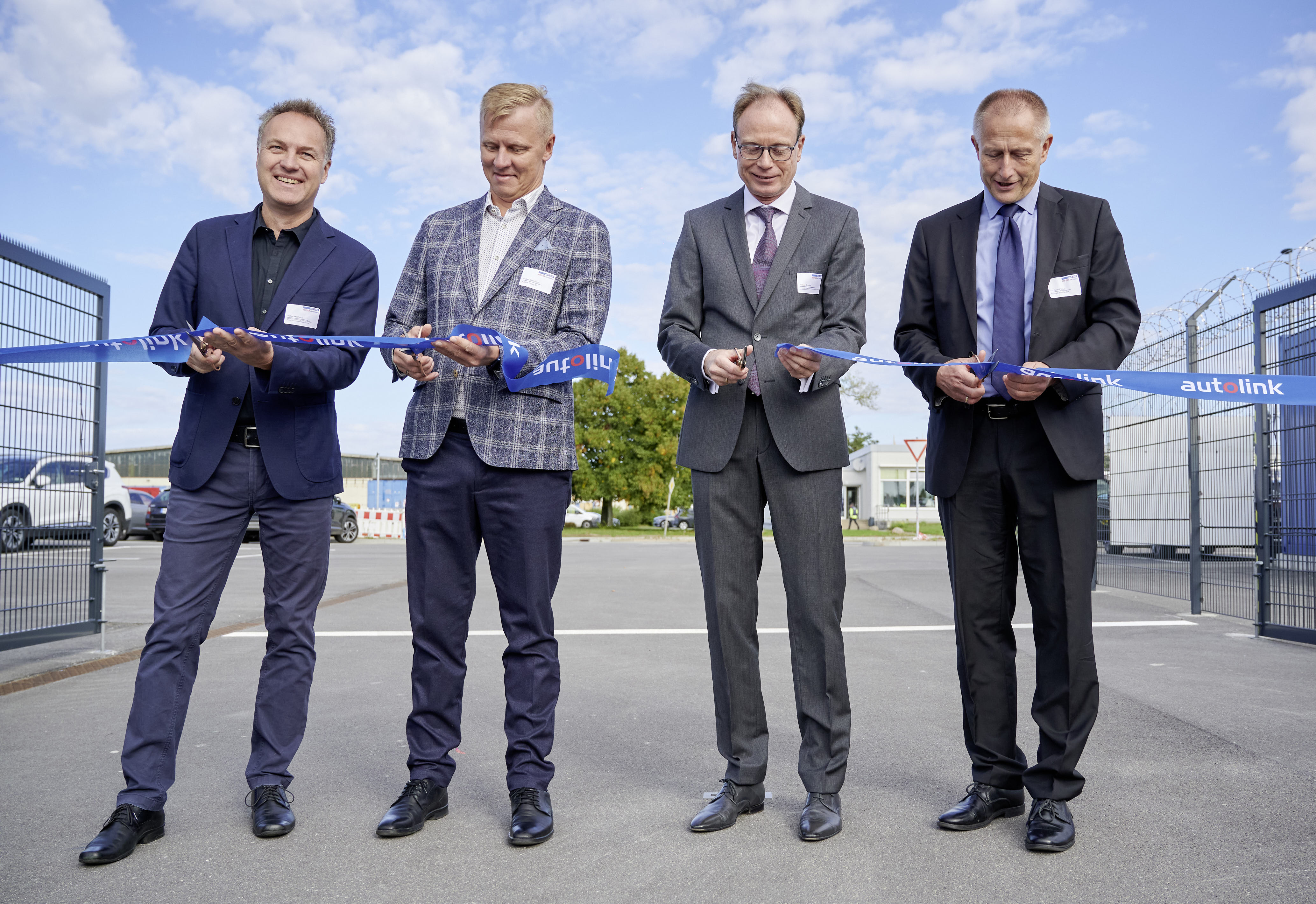
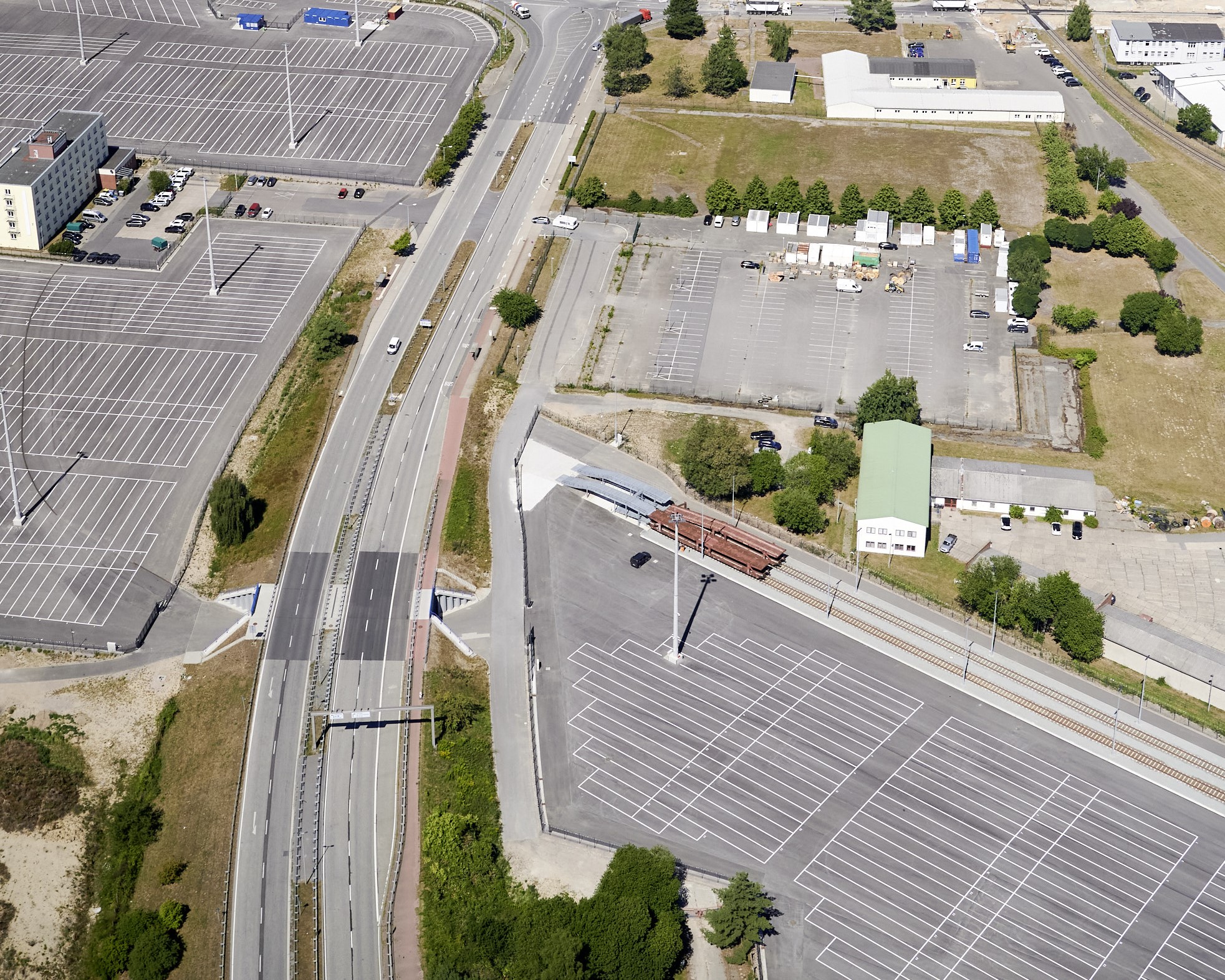
The auto terminal at the Port of Rostock offers a high-capacity hub for the efficient transport of new vehicles between production sites, seaports, and markets in Northern Europe. Covering approximately 75,000 m², a modern vehicle terminal was built in less than two years and has steadily grown in importance since its opening in September 2022. It is operated by Autolink Germany GmbH. The terminal enables short transport routes and efficient transshipment processes—particularly for the export of vehicles to Scandinavia and other Northern European markets.
High-Capacity Vehicle Transshipment via the Baltic Sea
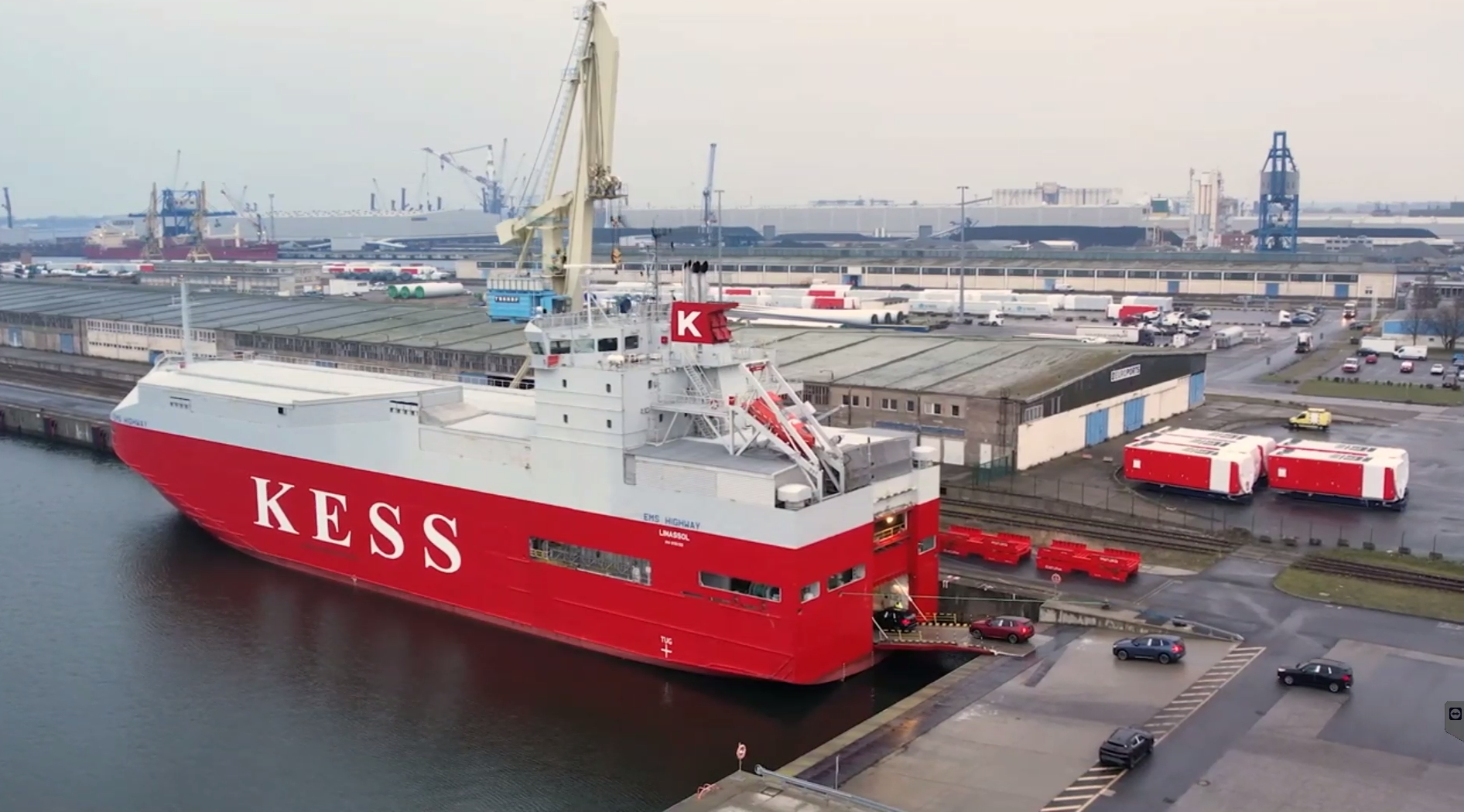
The vehicle terminal has a direct connection to the RoRo berths in Harbor Basin A. Vehicles are moved along a short route between the terminal area and the quay facilities via a specially constructed passenger car bridge. At the modernized berths 41 and 51, even large RoRo ships with a draft of up to 14 meters can be handled.
A particular strength of the location is its efficient rail connection. In cooperation between DB Netz and ROSTOCK PORT, two spur tracks, each with a usable length of just under 600 meters, were constructed. At the ends of the tracks, two double-deck loading ramps are available for the efficient loading and unloading of car transport trains. For individual and special shipments, there is also a connection to DB tracks 504 and 505, which can be accessed via a mobile ramp.
The terminal area currently offers approximately 3,500 parking spaces. This represents an expansion beyond the originally planned capacity of about 3,200 vehicles. At the same time, there is the option to expand the area as demand grows.
Growing Cargo Volume and an Established Logistics Hub
Developments since the terminal began operations underscore the importance of the terminal at the Rostock Overseas Port: After handling approximately 32,000 new vehicles in 2023, 122,000 vehicles were already imported and exported in 2024. In 2025, the volume rose to 132,000 vehicles. The target annual throughput is approximately 150,000 vehicles.
This growth confirms Rostock’s strategic importance as a hub for vehicle transport to Northern Europe. The vast majority of vehicles handled at the terminal are delivered by rail or truck and then transported onward by ship. According to terminal management, in 2024 approximately 80 percent of the vehicles arrived by rail and 20 percent by truck. The vehicles are primarily transported onward to Sweden and Norway, and to a lesser extent to Finland.
2024 Port Process - Auto Terminal
With the completion of the underpass beneath “Am Seehafen” Street, the associated land consolidation, and the construction of two high-capacity access tracks to the terminal area, a milestone was reached toward the commissioning of a car terminal. In addition, investments were made in two double-decker loading ramps at the ends of the tracks and in the construction of a passenger car bridge over the East-West Road leading to Berthing Bay 50. Last year, the automotive logistics provider “Autolink” imported and exported more than 122,000 vehicles via the 75,000-square-meter terminal, which has 3,500 parking spaces.
ROSTOCK PORT’s strategy of expanding its range of services by establishing a port terminal for automotive transshipment is having a particularly stabilizing effect on ferry and RoRo traffic.
September 22, 2022
up to 150,000 cars a year
Terminal with Growing Potential
In less than two years, one of Europe’s most modern vehicle terminals was built on a 75,000 m² site in the Port of Rostock. It can accommodate approximately 3,200 vehicles and handles up to 150,000 cars annually. New cars are primarily exported to Scandinavia, the Baltic states, and Eastern Europe. Shorter transport routes save time, money, and CO₂.